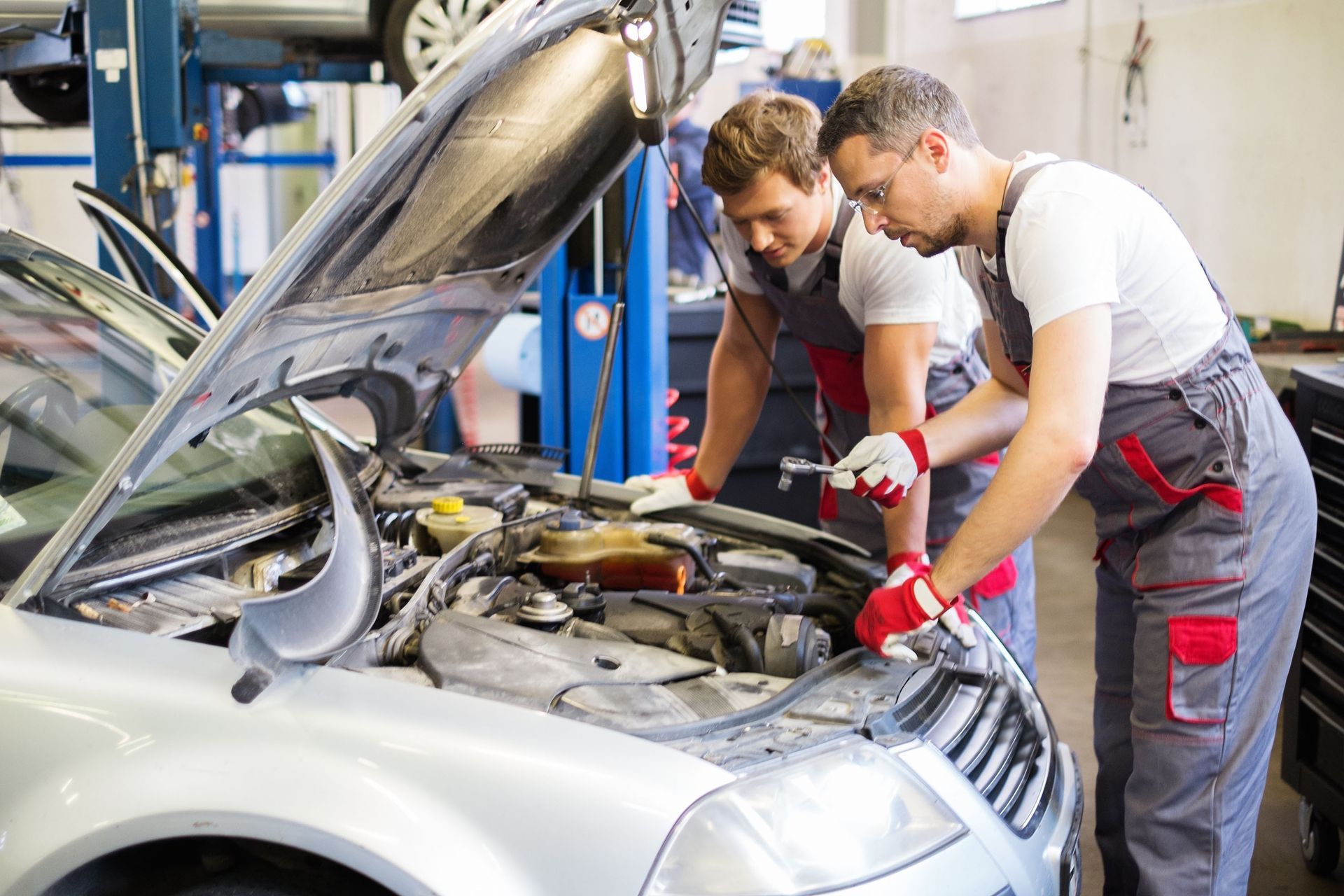
Choosing a repair shop is about more than finding a convenient location or a quick appointment. When a vehicle needs attention, drivers want to know that the recommended work is necessary, the pricing is reasonable, and the people handling the vehicle are communicating honestly. Finding an honest auto repair shop can make the process less stressful and help drivers feel more confident about decisions involving their vehicles.
A dependable shop should be willing to explain what is happening, answer questions clearly, and provide information before work begins. Drivers should also feel comfortable asking why a service is recommended and whether there are different options available. Taking time to evaluate these qualities can help separate responsible businesses from shops that rely on pressure or vague explanations.
Look for Clear Communication
Communication is an important part of a positive repair experience. A professional shop should be able to explain the problem in language that makes sense without overwhelming customers with unnecessary technical terminology. If a technician identifies an issue, the explanation should connect the problem to the vehicle's symptoms and describe why the proposed repair is appropriate.
Drivers should also receive an explanation of what the repair is expected to accomplish. An honest auto repair provider will generally welcome reasonable questions rather than making customers feel uncomfortable for asking them. Clear communication gives drivers an opportunity to understand the work before approving it and creates a more transparent relationship between the customer and the shop.
Pay attention to how the staff responds when questions involve cost, urgency, or alternatives. A rushed or dismissive response can make it difficult to determine whether a recommendation is truly necessary. Respectful communication, on the other hand, can make complicated repair decisions easier to understand.
Review Estimates Carefully
A written estimate can provide useful insight into how a shop handles pricing. It should clearly identify the recommended work and associated costs so the customer has a reasonable understanding of what the repair involves. Drivers can review the estimate before authorizing service and ask about anything that seems unclear.
An estimate can also help prevent confusion when additional problems are discovered during service. Rather than assuming customers will approve unexpected expenses, an honest auto repair shop should communicate when circumstances change and provide an opportunity to discuss additional work. That approach gives the vehicle owner more control over the final decision.
Customers should be cautious when a price is presented without enough explanation to understand what is included. Questions about parts, labor, diagnostic work, or other charges can help clarify the total cost. The goal is not necessarily to choose the lowest estimate, but to understand what the quoted price represents.
Check for Relevant Experience
Experience matters because vehicles can have different systems, components, and repair requirements. A shop that regularly works with a particular type of vehicle may be familiar with common problems and the procedures required to diagnose them. Drivers can ask whether the technicians have experience handling the type of issue their vehicle is experiencing.
Relevant experience is particularly useful when a repair involves electronic systems, safety equipment, or specialized components. Modern vehicles can require more than replacing a damaged part. Proper diagnosis and follow-up procedures can be important for ensuring that systems function as intended after service.
An honest auto repair provider should be willing to explain its experience without making exaggerated promises. Customers can ask practical questions about the type of work performed and whether specialized equipment or procedures are involved. Straightforward answers can help drivers understand whether the shop is equipped for the job.
Evaluate Diagnostic Practices
A repair recommendation should have a logical basis. Before agreeing to significant work, drivers can ask how the problem was identified and what testing or inspection supports the recommendation. A professional diagnostic process can help distinguish the underlying issue from symptoms that may have another cause.
According to Colours, Inc, research indicates that more than 60% of vehicles entering collision repair shops need Advanced Driver Assistance Systems calibration. This illustrates why modern vehicle repairs can involve systems that are not immediately visible. Safety-related technology may require specialized attention after certain repairs or collision work.
When a repair involves advanced technology, customers should feel comfortable asking what diagnostic or calibration procedures are necessary. An honest auto repair shop should be able to explain why those procedures are relevant and what role they play in returning the vehicle to proper operating condition.
Pay Attention to Reviews
Online reviews can provide helpful information when comparing repair shops, although they should be considered as part of a broader evaluation. Look for patterns in customer experiences rather than focusing on a single exceptionally positive or negative comment. Repeated mentions of communication, pricing, workmanship, or customer service may reveal useful trends.
Drivers can also consider recommendations from people they know personally. Someone who has had a recent repair completed may be able to describe how the shop handled communication, estimates, unexpected issues, and follow-up concerns. Personal experiences can add context that may not be apparent from an online listing.
Reviews should not be treated as proof that every future experience will be identical. Instead, they can help identify questions worth asking before scheduling service. When multiple sources consistently describe transparent practices and respectful interactions, that information can become part of the decision-making process.
Ask About Repair Recommendations
Not every recommendation carries the same level of urgency. A shop may identify a problem that requires immediate attention, a concern that should be addressed soon, or maintenance that can reasonably be planned for later. Customers can ask where a recommended service falls within those categories.
Asking about urgency does not mean challenging the technician's expertise. It gives the vehicle owner more information about how a problem could affect safety, reliability, or future repair costs. An honest auto repair business should be able to explain the consequences of delaying a recommended service without relying on fear-based pressure.
Drivers can also ask whether there are different repair options when appropriate. Depending on the situation, there may be choices involving parts, timing, or the scope of work. Understanding those choices can help customers make informed decisions that fit their circumstances while addressing the vehicle's needs responsibly.
Choose a Shop That Builds Trust
Trust is built through consistent behavior rather than a single promise. Drivers can look for a shop that communicates before beginning additional work, explains recommendations, provides understandable estimates, and treats questions as a normal part of the process. These practices can make future visits more comfortable and predictable.
The relationship can become especially valuable when a vehicle needs ongoing maintenance or develops an unexpected problem. Knowing where to turn can save time when an issue arises, while a history of transparent service can make it easier to discuss new concerns. Choosing an honest auto repair provider is ultimately about finding a business that respects both the vehicle and the person responsible for it.
Drivers do not have to understand every mechanical detail to make informed choices. Asking questions, reviewing recommendations, and paying attention to how a shop communicates can provide meaningful insight. A repair experience should leave the customer with a clearer understanding of the vehicle's condition and the work being performed.
When your vehicle needs professional attention, choose a shop that values clear answers, careful workmanship, and straightforward service. Contact Premier Collision Center to discuss your vehicle's repair needs and take the next step toward getting back on the road with confidence.